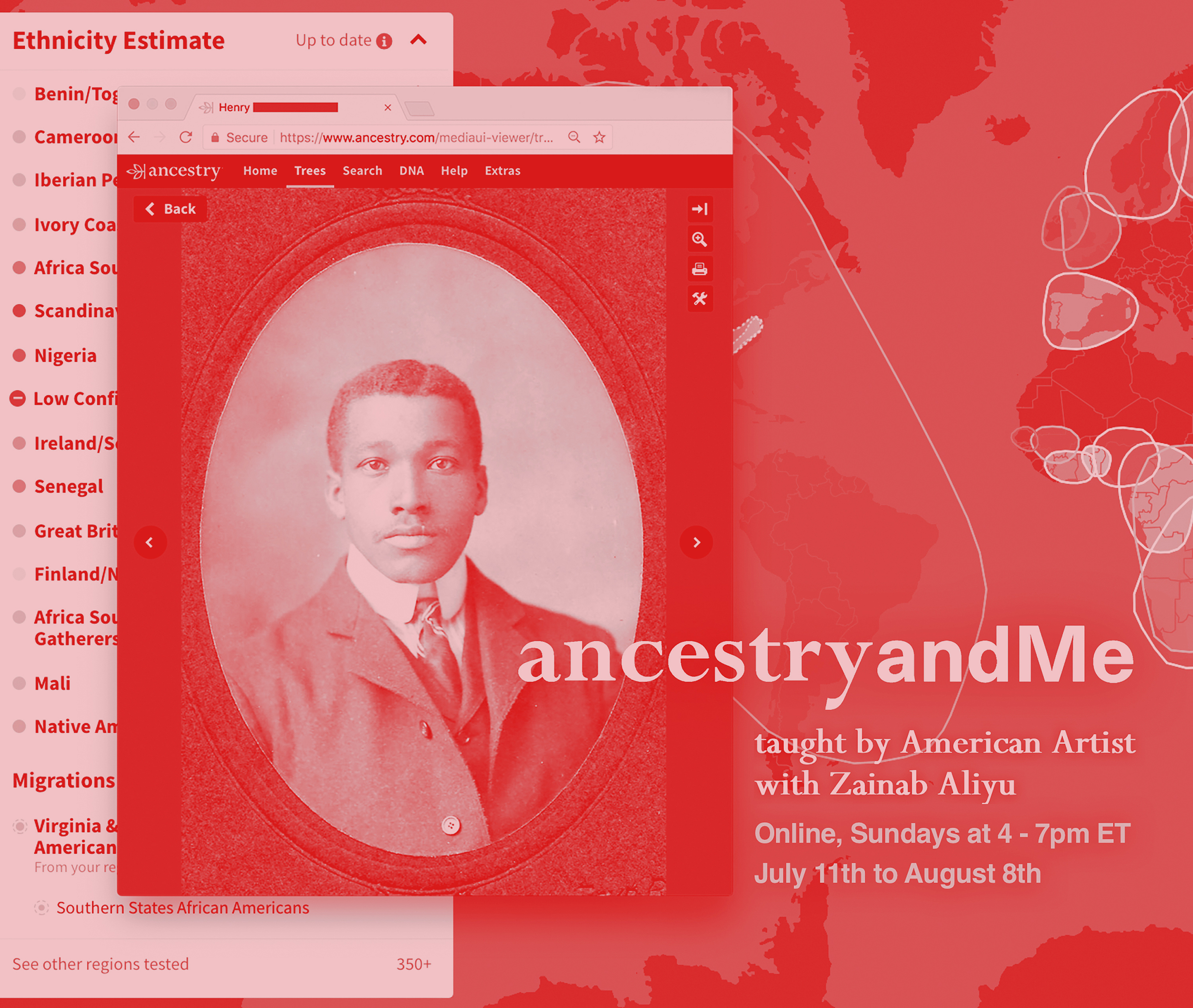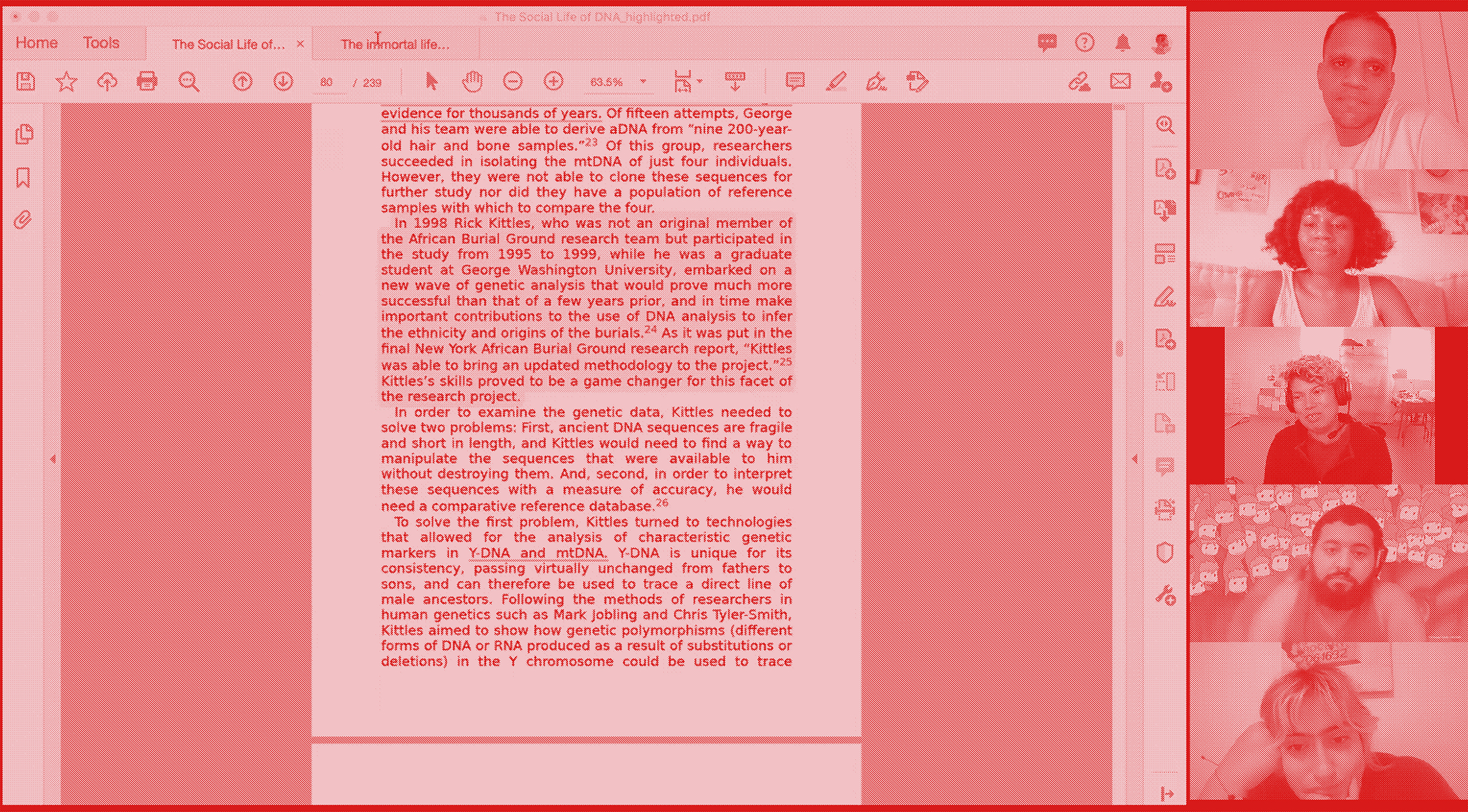
AncestryandMe: DNA Processing Kit counters the colonial and capitalist legacies of biometric surveillance. Unlike commercial DNA kits that focus on quantitative data, this community resource offers a reflective and critical exploration of ancestry, supporting individuals in confronting the emotional complexities of unearthing ancestral histories. It empowers communities to resist biometric surveillance, providing tools for community dialogue around more ethical uses of technology and inviting participants to reflect on their role as future ancestors within a framework of shared resistance.
Take a deep breath.
Ready?
Keep scrolling down, or choose a topic, section or question from the menu.
Understanding your choices and experiences with DNA testing.
Do you plan on or have you already taken a DNA test?
Questions to consider before taking the test
Have you explored or considered other methods for learning about your ancestry or health information without relying on DNA testing?
Why are you excited or curious about the information the DNA test will provide, and what specific questions about your ancestry or health do you hope it will answer?
What are your apprehensions and fears about sharing your DNA information with the company that processes it?
What steps will you take to understand the privacy policies and data security measures of different companies before submitting your DNA?
Have you discussed your decision* to take a DNA test with close family members or friends? What were their reactions?
Taking a DNA test can affect your whole family, not just you. Even if some relatives don’t take the test, your results can still reveal things about them. In some cases, law enforcement agencies have used DNA from one person to identify their family members.
What do you think the process of providing your DNA sample will feel like?
Which company did you or will you take the test from, and why did you choose them?
What factors led to your choice to take the test?
If you had any reservations about consenting, what ultimately convinced you to go through with it?
Do or did you fully understand how your DNA data will be used by the testing company before consenting?
Yes, I reviewed the terms and conditions thoroughly.
No, I did not fully understand.
I had some understanding but still had questions.
Did you feel any pressure* to take the test?
social, familial, etc.
Yes, I felt pressured by family/friends.
No, I did not feel pressured.
Other (please specify)
Are you informed about how your DNA data might be shared with third parties?* If so, how did this affect your decision?
e.g., law enforcement, research institutions
What do you think about how DNA testing impacts broader societal issues such as health, privacy, and identity politics?
How might these tests shape cultural or ethnic identities in the future?
Questions to answer after submitting your DNA
How did you feel while creating your DNA sample?
How does the way you feel about the process now compare to how you felt when you purchased the test?
Do you anticipate any lasting effects or changes in your life as a result of taking the DNA test?
Questions to answer after receiving your DNA results
How well do you understand the information presented in your DNA results?
What, if anything, surprised you about your DNA results? Do you think they are realistic and accurate?
Have your results changed the way you feel about your identity?
How might this new information influence your connection to any specific culture(s), and are there aspects you would like to explore further?
Are there any elements of your DNA results that you find difficult to believe or accept?
Which people in your family, if anyone, would you encourage to get a DNA test, because you think it would be important to their self-understanding?
Have you shared your DNA results with family members, and if so, how have they reacted?
What new questions or uncertainties have emerged after receiving your results?
What were your primary reasons for deciding not to take a DNA test?
Privacy concerns
Ethical concerns about DNA testing
Fear of discovering unexpected family information
Distrust of DNA testing companies
Other (please specify)
How does your decision not to take a DNA test align with your values or worldview?*
e.g., views on privacy, medical ethics, or family dynamics
Have you explored or considered other methods for learning about your ancestry or health information without using DNA testing? How have these methods shaped your understanding of your ancestry?
Do you think your decision not to take a DNA test is likely to change in the future? If so, under what circumstances might you reconsider?
Diving into the stories, values, and legacies that have shaped your family.
Where did your parents meet in and how did they meet?
If you don’t know, and there is no one you can ask, offer a speculative answer.
Where were you born? If you have children, where were they born? If you were to have children, where are they most likely to be born? If you have grandchildren, where do you imagine they will be born?
If you don’t expect to have children, answer these questions for a close relative or a friend with children.
If the answers to the above questions differ, explain the life changes you have experienced and those you anticipate your children (or their children) will experience that might result in migration. Where have you moved, where do you think they will move, and why?
If your family has experienced forced displacement* or migrated by choice or necessity, reflect on the circumstances that led to these movements.
e.g., through slavery, war, colonization, or other forms of systemic violence
What adaptations were made to preserve cultural identity in new environments? How have these dislocations or relocations shaped your family’s sense of identity and belonging? Do you feel a connection to those places, and how have these adaptations influenced your family’s cultural heritage?
Do you consider your ancestors to be victors? In what sense is this true? In what sense is this not true?
Reflect on how your family might have been affected by major historical events.*
e.g., wars, civil rights movements
How did these events impact your family’s trajectory, opportunities, or challenges? Have these experiences been passed down as family stories, and how do they influence your worldview today?
Reflect on your family’s relationship with cultural identity and assimilation.
In what ways has your family maintained its cultural heritage, and in what ways has it assimilated into a new culture or society? How do you personally navigate between different cultural identities, if applicable?
Reflect on the role language plays in your family’s history.
Have any languages been lost or retained, and what impact has this had on your family’s identity?
Identify a trait that seems to run in your family.
How do these traits connect you to your ancestors, and in what ways do you see them reflected in yourself and future generations?
Identify core values that are important to your family.
How have these values been communicated through generations, and how do they influence your decision-making and relationships?
Identify a unique family tradition that has been passed down through generations.
How do you participate in or honor this tradition today? How do you envision passing it on to future generations?
Reflect on any traditional dishes or special recipes that have been passed down through your family.
How have these culinary traditions contributed to your family's cultural identity, and do you have a favorite family recipe? How has food played a role in preserving cultural or familial connections?
Reflect on the history of names in your family.
Are there any naming traditions or naming patterns that have been followed across generations? What significance do names hold in your family?
Reflect on how members of your family typically handle emotions like anger, grief, or joy.
Have these emotional responses been passed down, and in what ways do they influence relationships within the family?
Identify a significant family heirloom or artifact with sentimental value.
What memories or stories are attached to this object? How has the preservation of this item helped maintain a sense of continuity or connection within the family? What does this heirloom mean to you personally?
Reflect on how the professions of your family members have evolved over generations.
Are there any notable stories or achievements? Are there recurring professions or trades within your family? How have changes in occupations across generations influenced the family's socioeconomic status and lifestyle?
Reflect on how economic changes have shaped your family's financial journey over time.
How have financial experiences, including any barriers such as discrimination or systemic obstacles, impacted your family’s view on money, work, and success? What financial lessons or strategies have been passed down, and how have these experiences shaped your family’s approach to financial planning or long-term success?
Reflect on your family’s health history.
Are there any recurring health issues or patterns? How have family members approached well-being, both physical and mental?
Reflect on any notable beliefs, practices, or traditions related to health or healing that have been passed down through your family.
Are there specific remedies, health rituals, or traditional practices your family relies on for well-being? How have these practices shaped your family’s approach to physical or mental health over time?
Reflect on any spiritual practices or beliefs that your family holds.
What are the origins of these beliefs and how have they been passed down? What do these beliefs mean to your family, and how do you personally relate to them?
Are there particular life events* that are marked by specific spiritual practices in your family? How do these practices bring your family together, and how have they evolved over time?
e.g., births, weddings, deaths
Consider aspects of your family’s history that were never formally documented, such as oral traditions, folk stories, or family memories that may not exist in written records.
How do these stories shape your understanding of your family’s past? Do you feel any responsibility to preserve or pass on these unwritten stories?
Have oral histories or family stories ever contradicted written records or “official” histories? How do these contradictions shape your understanding of your family’s past?
Consider a time when someone in your family made a controversial or unconventional life choice that went against the family’s values or expectations.
How did the family react to this choice, and what lasting impact did it have on family dynamics? How do you think your family’s values have evolved or remained constant as a result?
Reflect on how communication patterns have changed across generations in your family.
How do family members resolve conflicts, and how do you engage in difficult conversations today?
Reflect on a time when your family faced significant challenges (e.g., illness, loss, financial hardship).
How did your family overcome this, and what lessons were passed down as a result?
How have marriages or partnerships in your family shaped family dynamics over generations? Were there any notable marriages* that caused significant changes or challenges in your family?
e.g., interfaith, interracial, or international marriages
Reflect on how your family’s views on relationships and marriage have evolved over time.
Have there been changes in gender roles, expectations for marriage, or views on divorce? How have traditional roles evolved, and in what ways have these changes influenced your family’s decision-making and relationships?
What role do secrets, silence, or open communication play in your family? Are there topics that are considered taboo or are openly discussed between family members? How does this impact relationships?
Reflect on how you and your family members, including parents, cousins, and extended relatives, stay in touch over time.
Have your parents maintained relationships with their siblings and extended family? What role does staying connected play in maintaining family relationships, and how has this evolved as your family has grown or spread out?
Reflect on how technology has affected communication in your family across generations.
Have phones, email, or social media influenced how your family interacts?
Meaningful discussions to uncover family stories, beliefs, and experiences.
Identify the living family member that you have the best relationship with that is not your parent or full sibling.
If you don’t have a family member like this, identify the person you have the best relationship with outside of your family that may know something about your family
Have a conversation with them and ask them a question about your family history that you wouldn’t normally ask them.
Who will you contact and what will you ask them? What was revealed in this conversation?
Identify a living family member that you haven’t communicated with in more than 2 years.
If you don’t have a family member like this, or it is not appropriate to contact them, identify someone you have never spoken to that may know something about your family and contact them.
Have a conversation and ask them a question about your family that you think only they would know.
Who will you contact and what will you ask them? What was revealed in this conversation?
Identify a family member who supports a position on race, gender or religion that you disagree with.
If you do not have a family member like this, identify a friend or colleague.
Have a conversation with them about your differing viewpoints and how these beliefs have shaped their understanding of the world. Imagine that you are planning to introduce them to a loved one that may not be safe or comfortable in their presence. What will you communicate to your family member in advance of this meeting in order to protect your loved one?
Who will you contact? What was revealed in this conversation?
Identify a deceased family member that held knowledge you believe is now lost.
What questions would you ask them to retrieve this knowledge if they were still alive?
Identify any living family members that were close to them. If possible, have a conversation with these family members. Who will you contact? What was revealed in this conversation?
Identify an older family member.
Have a conversation with them about a piece of advice or wisdom they received from their own elders. How has this advice been passed down, and in what ways has it proven valuable over time?
Who will you contact? What was revealed in this conversation?
Identify a family member who has experienced a significant shift in their beliefs or values.
Have a conversation with them about the factors that led to this change and how it has affected their relationship with the family.
Who will you contact? What was revealed in this conversation?
Identify a talent, skill, or passion that seems to run in your family,* and a family member you think embodies this talent the most.
e.g., music, cooking, craftsmanship
Have a conversation with them about how they developed this talent and whether they see it as an inherited trait or something they cultivated themselves.
Who will you contact? What was revealed in this conversation?
Identify a family member who is knowledgeable about health issues or conditions that run in the family.
Have a conversation with them about the health history of your family. What insights or advice did they share about maintaining health or addressing potential risks?
Who will you contact? What was revealed in this conversation?
Identify a significant conflict within your family and a family member who was involved in the conflict.
Have a conversation with them about their perspective on what caused the conflict and how it was ultimately resolved. What lessons did they learn from this experience, and how has it shaped family dynamics?
Who will you contact? What was revealed in this conversation?
Identify a family member who has lived in a different country or region for an extended period.
Have a conversation with them about how this move shaped their view of the family and how it impacted their connection to family traditions. What did they learn about your family from living elsewhere?
Who will you contact? What was revealed in this conversation?
Mapping classic, alternate, and speculative views of ancestry, with an emphasis on your role as a future ancestor.
Biological Lineage Tree
Map your family lineage through biological ancestors over generations. Include names, birthplaces and familial relationships.
How far back can you trace your ancestry? What stories or gaps do you notice?
Chosen Family Tree
Map important non-biological influences and chosen family, such as friends, mentors, or community members.
Who are the most significant non-biological influences in your life? What have they contributed to your personal growth?
Emotional Traits Tree
Map emotional traits passed down in your family: strengths, struggles, and coping patterns.
What emotional patterns are commonly seen in your family? How do these traits shape your family dynamics?
Oral History and Storytelling Tree
Map key family stories, myths, sayings or legends passed down, their emotional truths and how they have shaped your identity.
What are the most important oral histories and family narratives passed down to you? How do they impact your understanding of heritage?
Health and Wellness Tree
Map your family's health patterns and wellness practices across generations, including recurring conditions, healing traditions, beliefs about well-being, and access to medical care.
What physical or mental health patterns exist in your family? How has health knowledge been shared or withheld?
Migration and Movement Tree
Map your family's geographic movements (both forced and voluntary) across generations. Include migrations, displacements, border crossings, and relocations due to opportunity, war, colonization, enslavement, or other factors.
How has movement shaped your family's identity? What connections do you feel to ancestral places?
Labor and Wealth Tree
Map occupations, trades, and economic shifts across generations. Include skills passed down and moments of financial transition.
What patterns do you see in family occupations? How have trades or skills been passed down?
Traditions and Values Tree
Map the values, customs, rituals, and spiritual practices that have shaped your family culture.
What values define your family? How do you live out these values, and how will you pass them on?
Heirlooms and Symbols Tree
Map important objects, symbols, heirlooms or artifacts that have been passed down across generations, and the stories tied to them.
What are the most significant objects or heirlooms in your family? What stories are tied to these heirlooms, and how do they represent your family’s legacy? How do you plan to preserve and pass down these items to future generations?
Future Legacy Tree
Map your role as a future ancestor. Speculate on the values, traits, stories, or traditions your descendants might inherit from you.
What legacy do you hope to leave behind? How do you imagine future generations will build on your history?